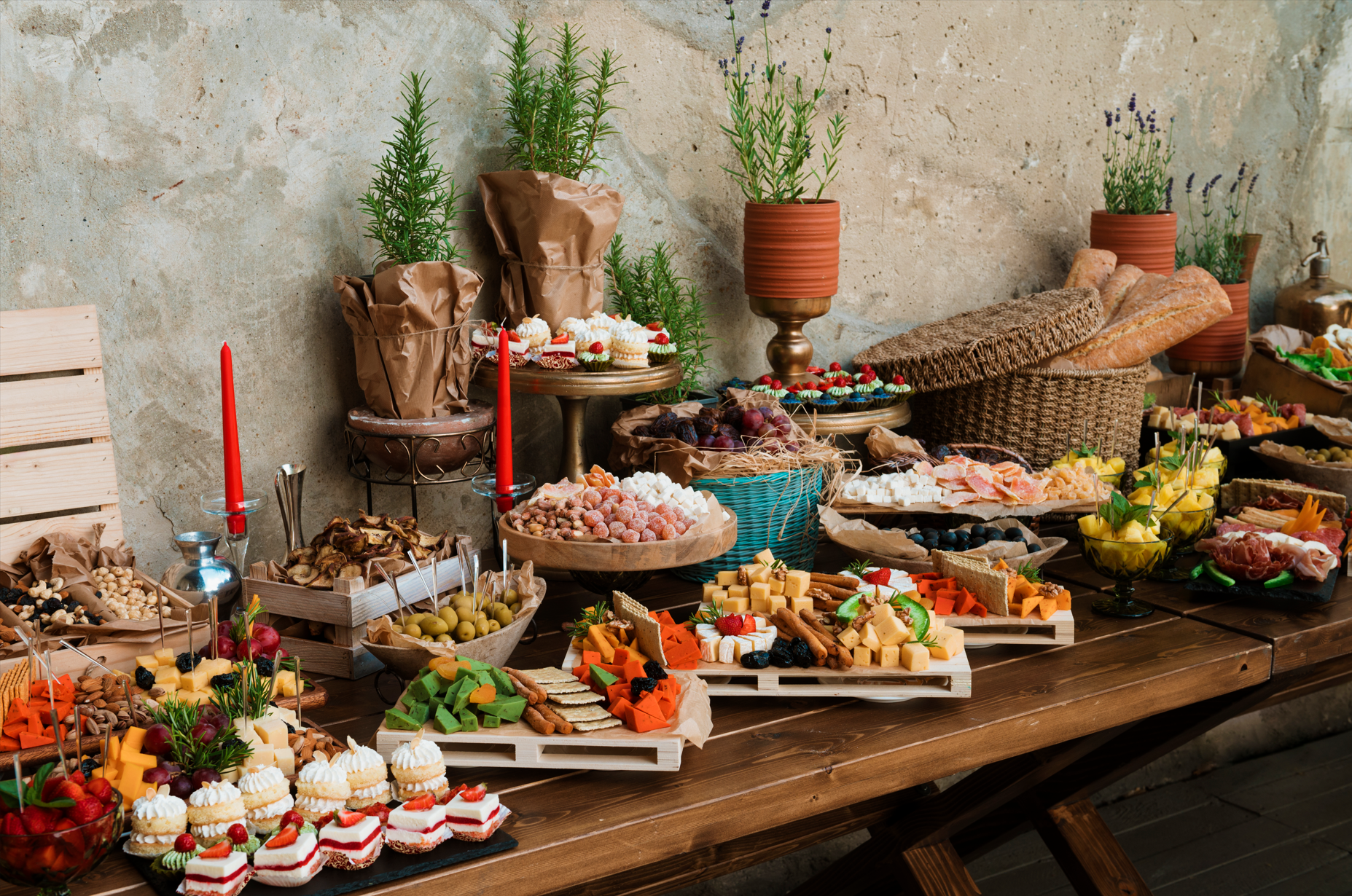
Eid al-Fitr is a special time for Muslims worldwide, marking the end of Ramadan. Families gather to celebrate with traditional dishes, creating cherished memories. Each dish is different with its unique flavor, carrying its own family traditions.
Traditional desserts:
Preparations for Eid al-Fitr often begin with making beloved desserts like cakes, maamoul, baklava, and kunafa. These desserts hold special significance as they are shared with guests and loved ones during the celebrations. Making these desserts is a cherished family celebration tradition passed down through generations, providing an opportunity to share stories and memories.
Official Breakfast Meal:
As the official breakfast meal begins on the day of Eid, many distinctive traditional dishes appear on the table. The dishes vary according to each region and culture. For example, in some cultures, breakfast includes main dishes such as biryani, mandi, and kabsa. However, in other regions, breakfast consists of small and diverse dishes like shakshuka, foul, and pastries. Each culture is characterized by the diversity of its dishes and flavors, using a variety of spices and seasonings that add a unique and delicious taste.
Celebrating Together:
Eid al-Fitr is not just about food; it's about coming together as a community and sharing joy. Families visit each other, exchange gifts, and engage in acts of charity. The spirit of joy and gratitude fills the air, strengthening bonds and fostering a sense of unity among the people.
In conclusion, the traditional foods of Eid al-Fitr celebrations hold a deeper significance beyond mere meals. They embody the cooking traditions, cultural values, and cherished family customs. These delightful dishes bring generations together, evoking joy and happiness, and transform Eid al-Fitr into a memorable celebration of family and love.